
Table of Contents
Visible veins on the face or legs can be frustrating, especially when they affect the appearance of the skin. Understanding the available treatment options can help you learn more about how different procedures address vascular concerns.
This blog breaks down the differences between laser-based vascular treatments and traditional vein procedures. It explains how each option works, what to expect, and the factors that may influence which approach is appropriate for different types of vascular concerns.
Whether you’re dealing with spider veins, port wine stains, or other vascular concerns, you’ll learn what to expect, how each treatment works, and how different approaches may be used depending on the type and location of the vascular concern.
Understanding Vein Conditions
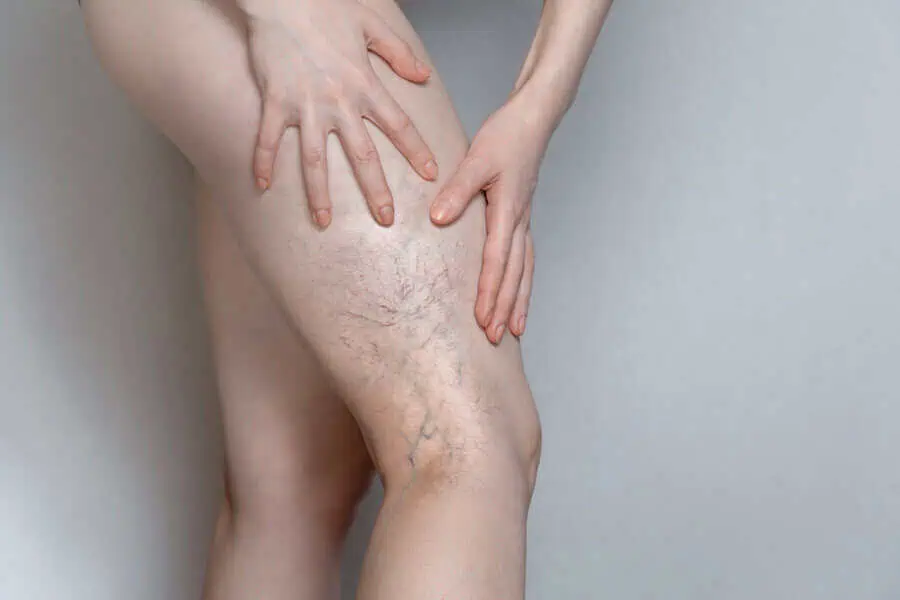
Spider veins and vascular lesions occur when small blood vessels become enlarged or dilated just beneath the skin’s surface. These can appear as fine red or blue lines, clusters, or blotchy patches and often show up on the legs, face, or torso.
For some people, these vein issues are purely cosmetic. For others, especially those with underlying vein disease, they can be accompanied by discomfort, swelling, or a sensation of heaviness.
Treating visible veins isn’t just about appearance. For some people, addressing an underlying vascular condition may also be important for comfort and overall skin health. The treatment choice depends on factors such as the size and depth of the vein, its location, and individual health history.
What Is Vasculaze?
Vasculaze represents a laser-based approach to non-invasive vascular therapy. It utilizes focused laser energy to target visible veins and broken capillaries while limiting exposure to the surrounding skin. The laser’s energy heats the affected blood vessels, after which the body gradually reabsorbs the treated vessels.
Unlike procedures that require injections or incisions, laser-based vascular treatments do not involve needles or surgical removal. Depending on the area being treated, the procedure may involve minimal discomfort and little recovery time. Because of its ability to target superficial blood vessels, it may be considered for smaller and medium-sized veins, particularly those on areas such as the face, thighs, and lower legs.
This non-invasive vascular therapy can also be used when vascular redness or lesions are the primary concern. Conditions that may be evaluated for laser treatment include spider veins, broken capillaries, rosacea-related redness, and port wine stains.
Traditional Vein Treatments: How They Compare
Before laser therapies became more widely used, traditional vein treatment methods were common approaches for addressing visible or problematic veins. They remain useful for certain vascular conditions, particularly when deeper or larger veins are involved.
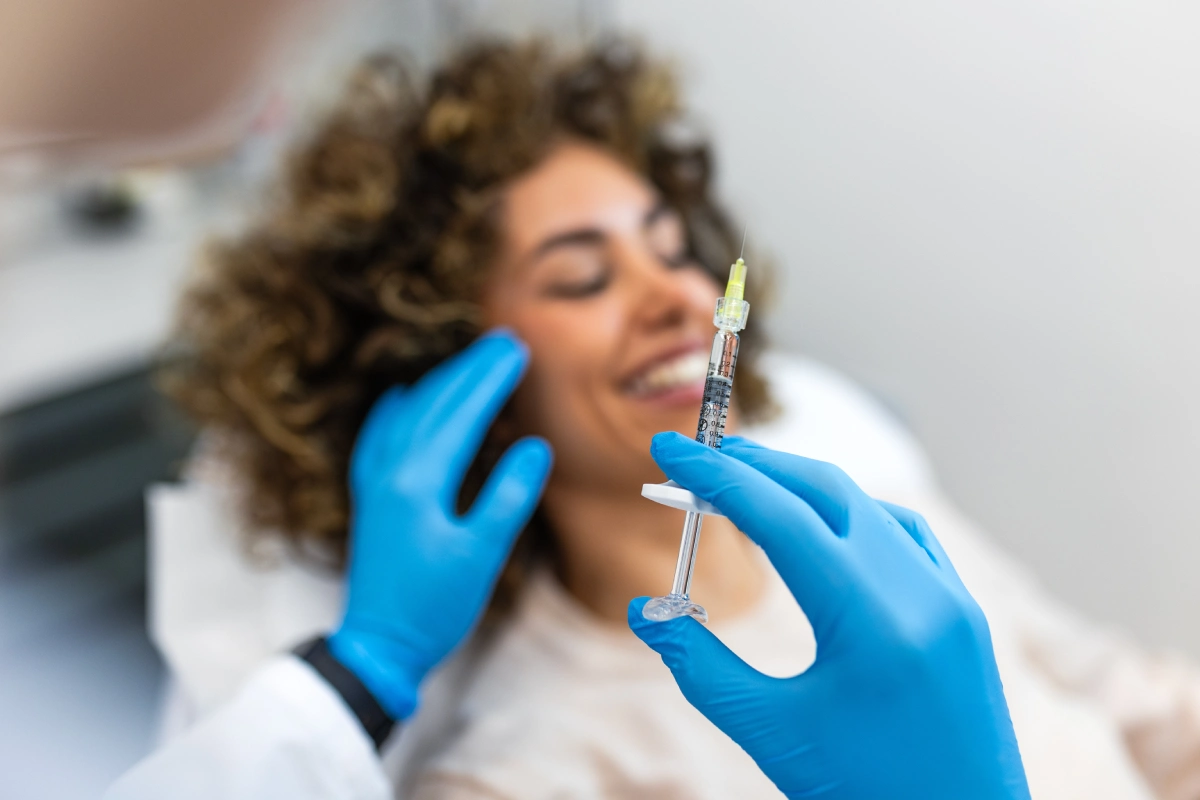
Sclerotherapy, for example, is one of the oldest and most common vein treatments. A solution is injected directly into the affected vein, causing it to scar and eventually fade. While generally effective for appropriate veins, it may require multiple sessions and can lead to bruising, temporary swelling, and the use of compression stockings.
Radiofrequency ablation (RFA) is another common approach, typically used for larger varicose veins. In this method, a catheter delivers heat energy into the vein wall, causing it to collapse. Though less invasive than surgical removal, it still involves an internal procedure and may require post-procedure care.
Vein stripping, the most invasive option, involves surgically removing damaged veins. Though it is generally reserved for more advanced cases, it comes with risks associated with surgery, such as infection, scarring, and longer healing times.
Compared with these methods, laser vein reduction is generally focused on superficial vascular concerns and uses externally delivered energy rather than injections, catheters, or surgical removal. The appropriate method depends on the characteristics of the veins being treated and whether an underlying vascular condition is present.
Why Non-Invasive Laser Vein Reduction May Be Considered
Many people look for treatment approaches that involve minimal disruption to their normal routines. Non-invasive vascular therapy may be considered when the primary concern involves superficial blood vessels that can be reached using external laser energy.
Another consideration is the ability to address different superficial vascular concerns. Facial spider veins, broken capillaries around the nose, and certain small leg veins may be evaluated for laser-based treatment. For vascular skin conditions such as port wine stains, the suitability of laser treatment depends on factors including the characteristics of the lesion and the individual’s skin.
Understanding the differences between treatment methods is important because not every type of vein responds to the same approach.
Which Treatment Is Appropriate for Different Vein Conditions?
The appropriate treatment depends on the specific condition, the size and depth of the veins, their location, symptoms, and individual medical history.
If someone has large, bulging varicose veins that cause pain or circulation-related symptoms, treatments such as radiofrequency ablation or sclerotherapy may be considered. These approaches can address deeper venous problems and may be used when structural treatment is necessary.
For concerns involving fine spider veins, facial capillaries, or certain superficial vascular lesions, laser-based treatment may be one option to discuss with a qualified medical professional. The choice between laser treatment and other procedures depends on the characteristics of the vessels and the individual’s circumstances.
What to Expect
If you’re considering laser treatment for a superficial vascular concern, a session may include:
- Consultation and vein assessment – A qualified professional evaluates the skin and identifies areas that may be appropriate for treatment.
- Quick procedure – Treatment duration varies depending on the size and number of areas being addressed.
- Mild warming sensation – Laser treatment may produce a warm or snapping sensation during individual pulses.
- Slight redness or swelling – Treated areas may appear flushed or mildly swollen for a short period afterward.
- Minimal recovery – Many superficial laser treatments involve little interruption to normal activities, although individual recovery can vary.
- Gradual results – Treated vessels may fade gradually as the body processes the affected blood vessels over the following weeks.
Aftercare Tips for Laser Vascular Treatment
To support normal healing after a vascular laser procedure, general aftercare may include:
- Avoid excessive sun exposure – Protect treated areas from UV exposure to help reduce the risk of pigmentation changes.
- Use gentle skincare – Avoid harsh exfoliants or irritating active ingredients for several days if advised.
- Stay hydrated – Maintaining normal hydration supports overall skin health.
- Avoid strenuous activity when advised – Follow the recommended recovery instructions for the treated area.
- Use cooling products if recommended – A qualified professional may recommend a soothing or cooling product if temporary warmth or irritation occurs.
- Follow up if advised – Additional treatments or evaluations may be recommended depending on the response to the procedure.
Frequently Asked Questions
What is Vasculaze used to treat?
Vasculaze is a laser-based treatment intended to target superficial vascular concerns such as spider veins, broken capillaries, and certain vascular lesions on the face and body. Suitability depends on the specific condition and individual characteristics.
How many Vasculaze sessions will I need?
The number of treatments varies depending on the type, size, location, and severity of the vascular concern. Some people may notice improvement after one session, while additional treatments may be recommended.
Is Vasculaze painful?
Laser vascular treatment may involve some discomfort, often described as a warm or snapping sensation during treatment. The level of discomfort can vary depending on the treatment area and individual sensitivity.
Is there any downtime after Vasculaze?
Recovery varies by person and treatment area. Superficial laser vascular treatments may involve little downtime, although temporary redness, swelling, or other skin changes can occur. Specific aftercare instructions should be followed based on the procedure performed.
Understanding the differences between laser-based and traditional vein procedures can make it easier to have an informed discussion about treatment options. A qualified medical professional can evaluate the underlying vascular concern and help determine which approach may be appropriate.